
Outputs from the SPI 2025 Edition

2025 SPI Grant Winners
- Winning Grantee: Maria Nelago Kanyama, PhD

Project: Maria Nelago Kanyama is exploring how ethical AI and blockchain can turn smart water metering data into fair governance tools. Her project empowers communities in Namibia and supports cross-border water cooperation in Southern Africa.
As part of her Geneva Water Hub SPI Grant, Maria produced two policy briefs examining how digital trust and ethical governance can strengthen cooperation in transboundary water systems. More about the policy briefs below:
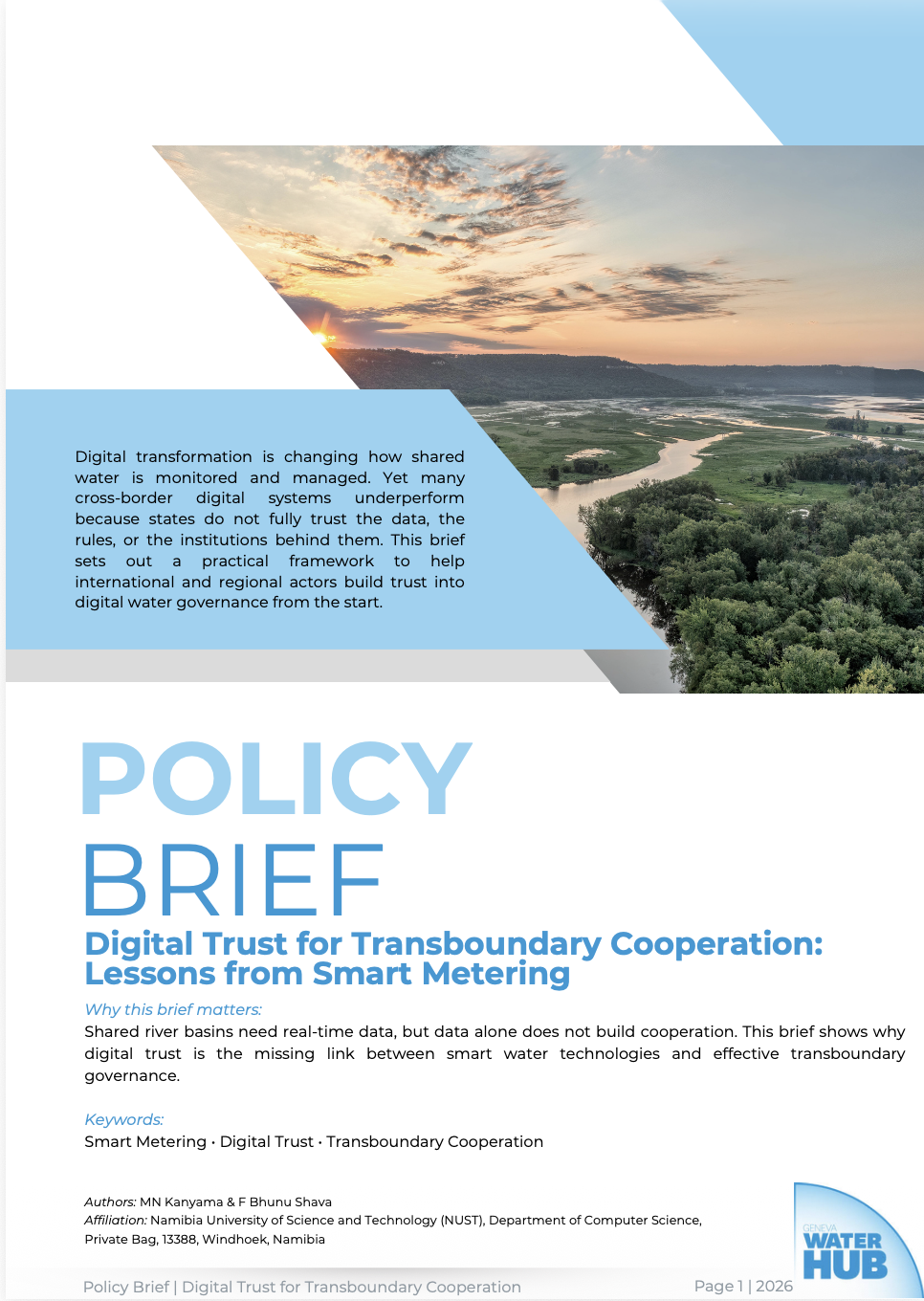
Policy Brief 1 — Digital Trust for Transboundary Cooperation: Lessons from Smart Metering
This brief introduces a Digital Trust Framework built on transparency, sovereignty, verifiability, equity, and accountability to help shared river basins turn smart metering data into credible, cooperation-enabling evidence.
[Click the image to read]
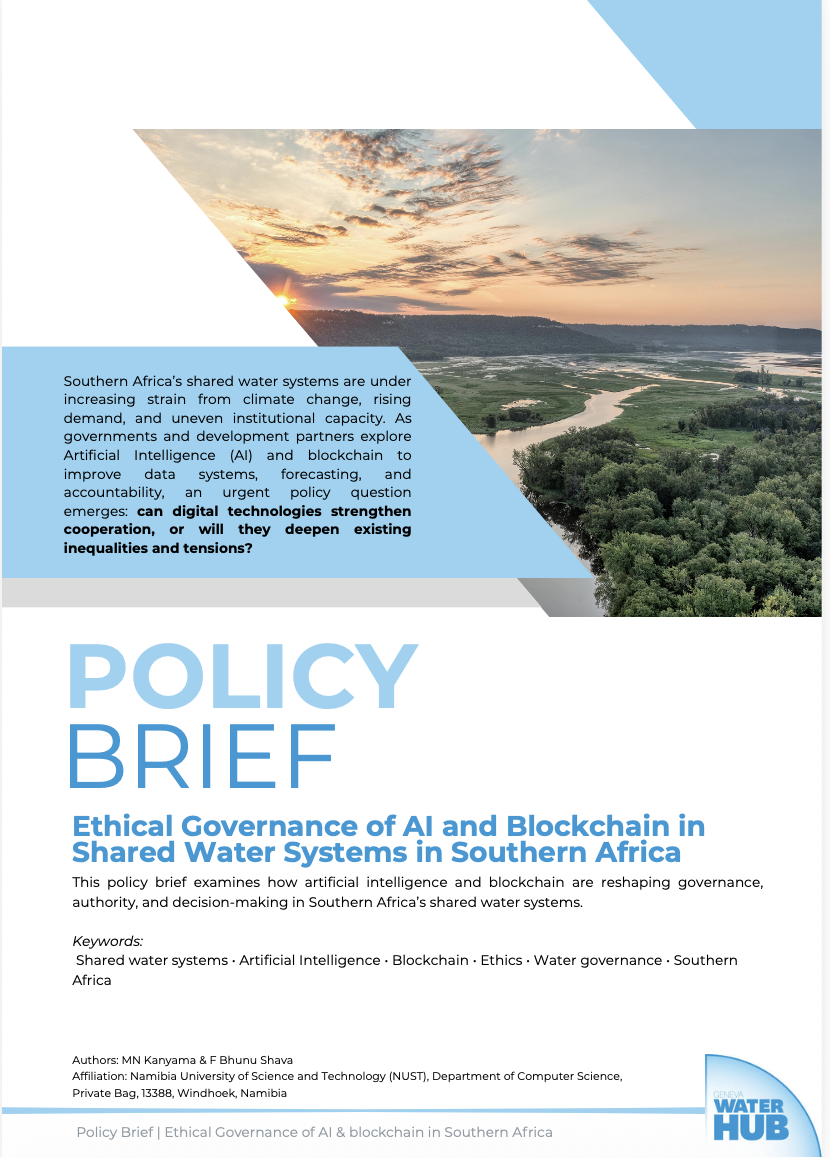
Policy Brief 2 — Ethical Governance of AI and Blockchain in Shared Water Systems in Southern Africa
This brief examines how AI and blockchain are reshaping authority and decision-making in Southern Africa's transboundary waters, and proposes ethical governance dimensions to ensure these technologies strengthen cooperation rather than deepen inequalities.
[Click the image to read]
- Winning Grantee: Lauren K. M. Smith, PhD

Project: Lauren Smith led a project exploring the role of emotions and gender in water stewardship, management, and diplomacy. The project examines how emotions shape water communication and decision-making, promoting awareness and intentionality to foster more equitable and effective engagement in water stewardship.
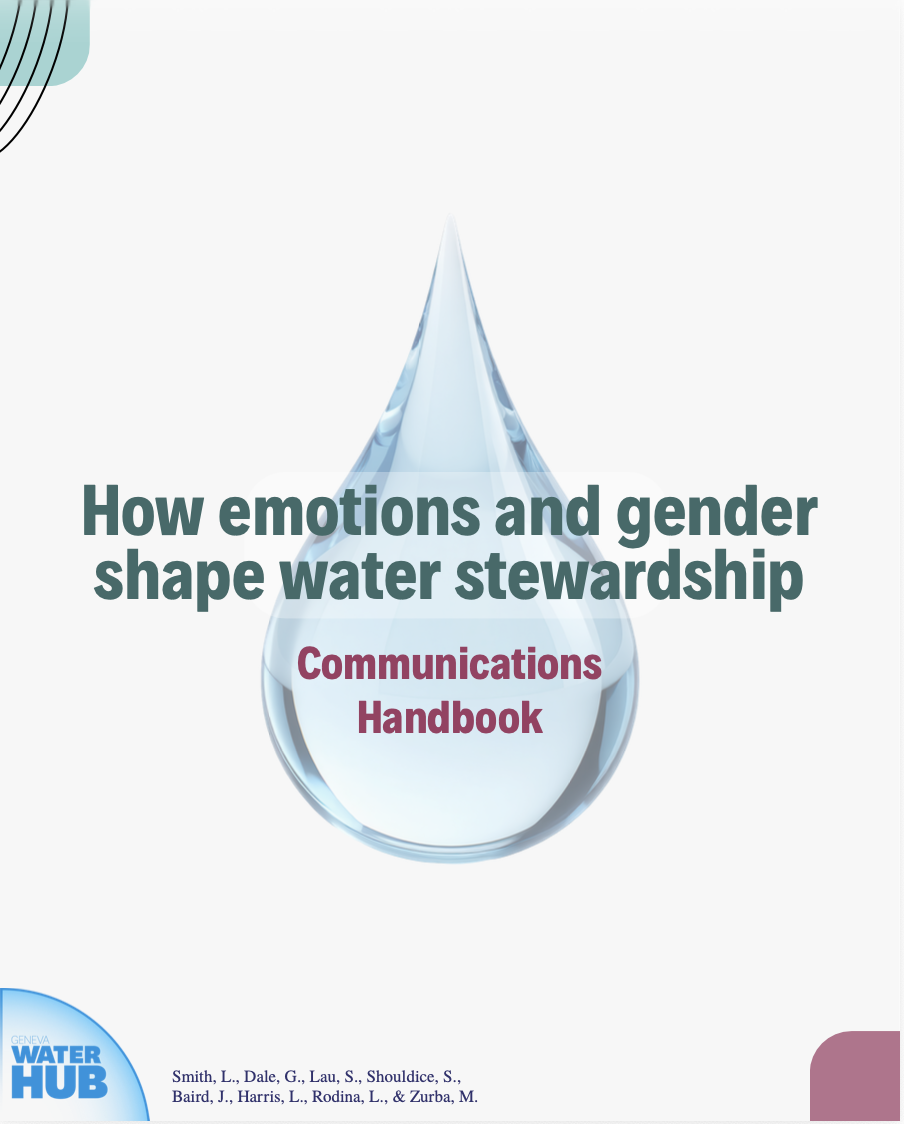
Handbook – Emotions & Gender in Water Stewardship, Management, and Diplomacy:
Developed by Lauren Smith from a 2025 expert gathering of water scholars and policy-makers, this handbook provides a background on how emotions function in water communication, a guide to when and how specific emotions arise, and practical strategies for navigating them in water stewardship. It promotes awareness and intentionality, rather than manipulation, as a foundation for equitable water communication.
[Click the image to access the handbook]
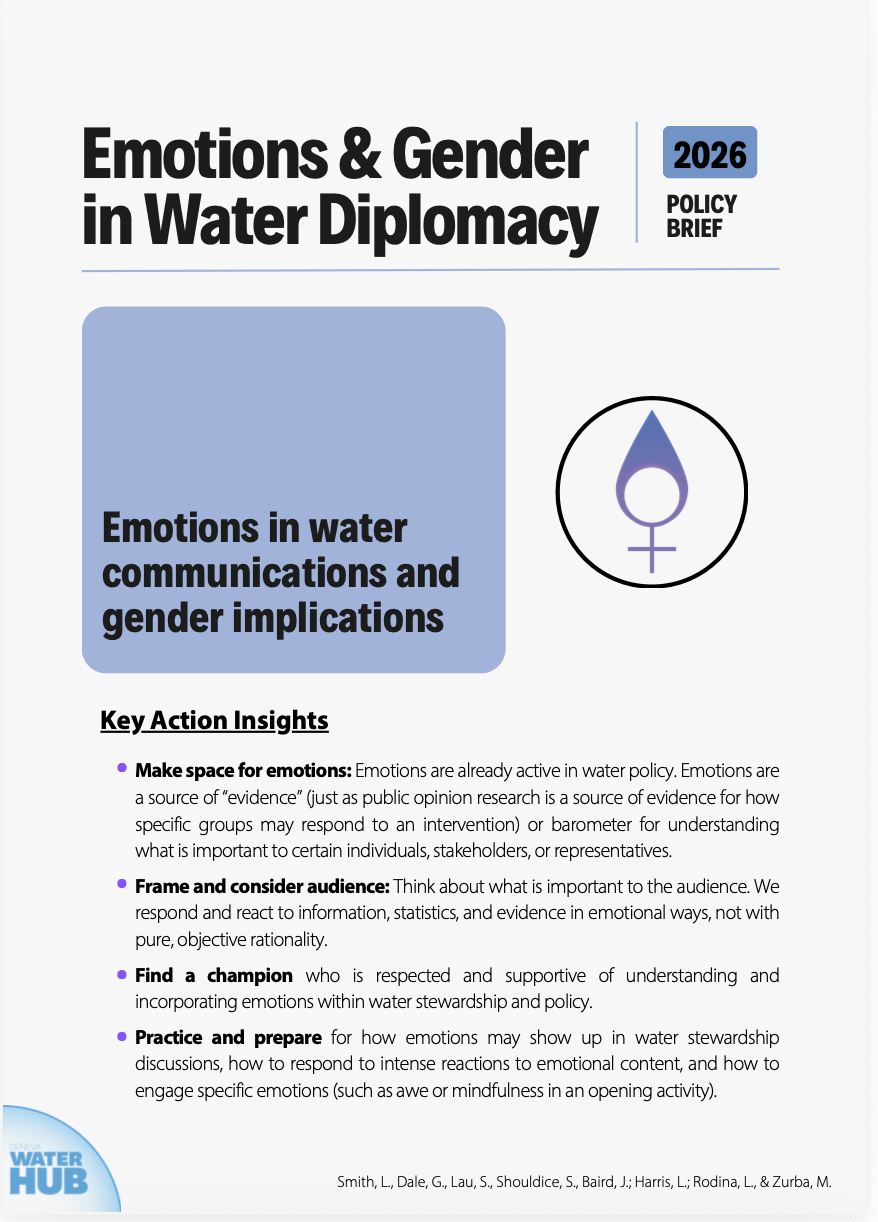
Policy Brief – Emotions & Gender in Water Diplomacy (2026):
This brief highlights how emotions are deeply embedded in water diplomacy, policy, and stewardship, shaping collaboration, polarization, and decision-making outcomes. It calls for intentional engagement with emotions and meaningful inclusion of women and marginalized voices to advance more sustainable and equitable water governance.
[Click the image to read]