
À gauche, à droite et au centre – Note politique n° 5 – Rivières, résilience et rivalités : comment le Traité sur les eaux de l'Indus façonne la sécurité régionale en Asie du Sud
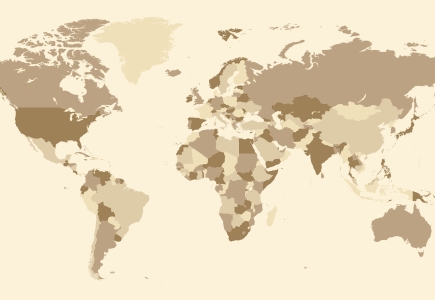
Le système fluvial de l'Indus est l'un des plus grands systèmes fluviaux transfrontaliers d'Asie du Sud, s'étendant sur plus de 3 200 km. Le bassin est partagé par quatre pays : le Pakistan, l'Inde, la Chine et l'Afghanistan. Le bassin est le deuxième plus grand bassin versant au monde (11 200 000 km2) et fait vivre près de 268 millions de personnes. Il alimente en eau les terrains accidentés des chaînes de montagnes de l'Hindu Kush, du Karakoram et de l'Himalaya, ce qui en fait une ressource indispensable pour la région. Le bassin de l'Indus est également l'un des bassins fluviaux les plus sollicités au monde, en raison de sa situation géopolitique complexe, de l'urbanisation croissante, du changement climatique et de la croissance démographique, en particulier dans le pays riverain inférieur (le Pakistan).
Plongez dans l'analyse complète en téléchargeant le document ci-dessous.