
Recherche sur l'eau pour la paix
Projet TWCEU
Coopération transfrontalière dans le domaine de l'eau entre les États membres de l'UE et les pays tiers : analyse de la résilience de la gouvernance et élaboration d'un modèle hydropolitique
Financé par le FNS
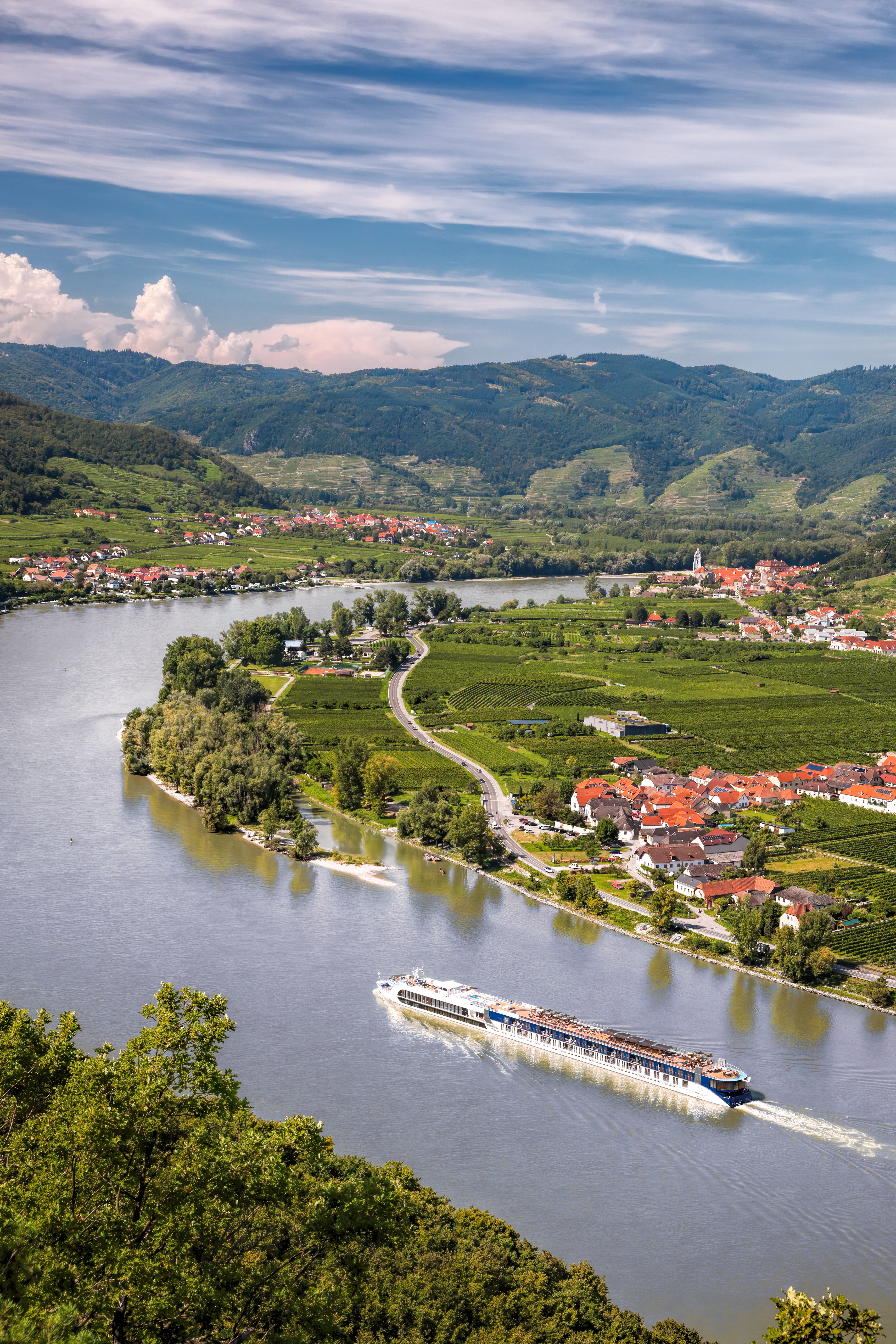
© FaidUtility, Vue aérienne d'une rivière glaciaire entrelacée qui traverse une vallée montagneuse verdoyante.
L'Europe a une longue histoire de coopération en matière de gestion transfrontalière de l'eau, soutenue par des cadres régionaux, des instruments juridiques et des institutions au niveau des bassins. Aujourd'hui, l'accélération des changements hydroclimatiques, l'évolution des utilisations de l'eau et les pressions socio-économiques croissantes mettent à l'épreuve la résilience de ces accords de coopération.
Ce projet examine comment les systèmes de gouvernance existants dans les bassins fluviaux communs européens sont équipés pour faire face à l'incertitude hydrologique future. Il adopte une perspective constructive, analysant comment les cadres de coopération matures s'adaptent aux nouvelles réalités environnementales et où des réponses politiques ciblées peuvent renforcer la prévention, la coordination et la gestion des risques.
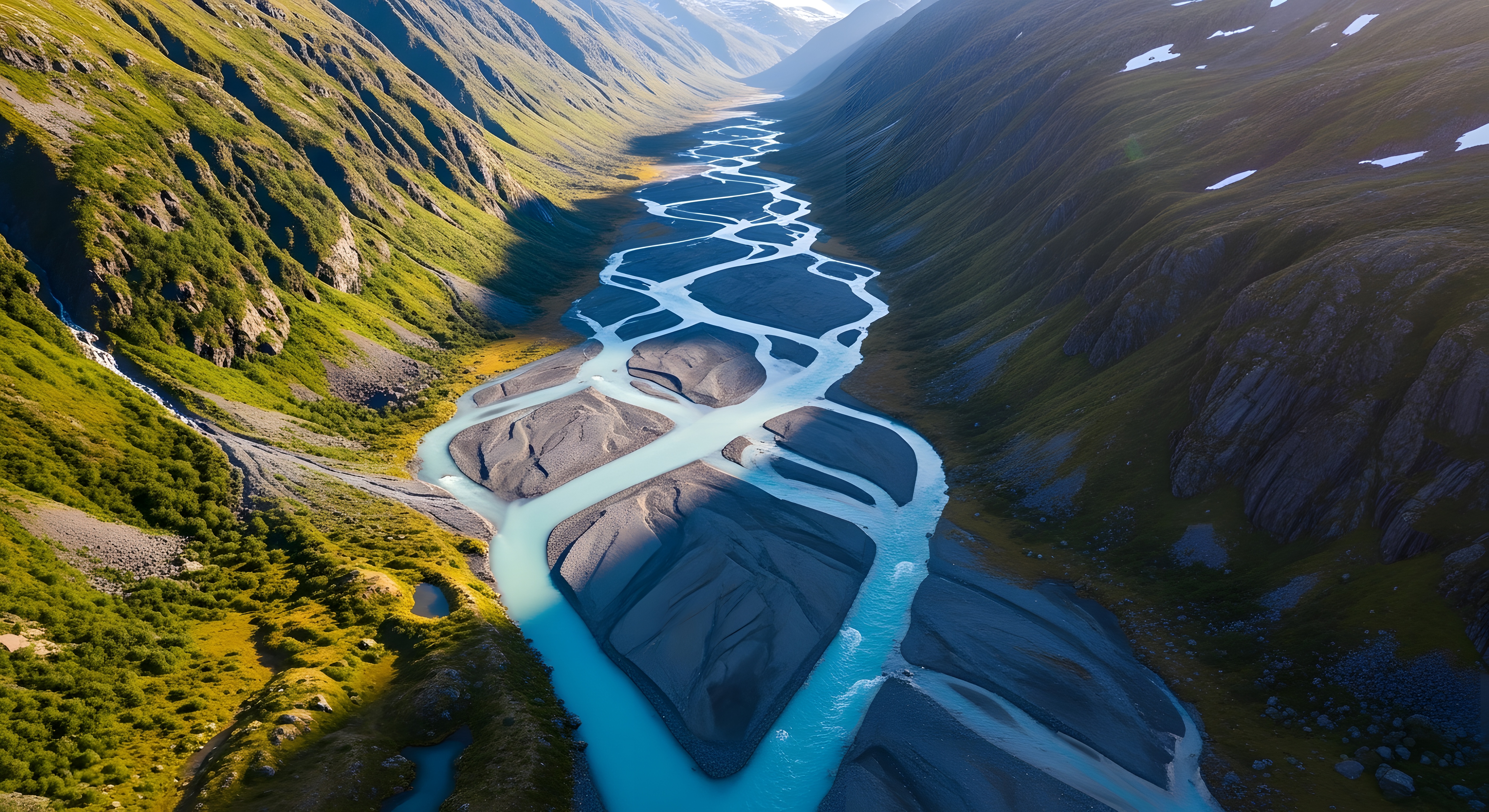
© Tomas Marek, Panorama de la vallée de Wachau (site classé au patrimoine mondial de l'Unesco) avec un bateau sur le Danube en arrière-plan du village de Duernstein en Basse-Autriche, Autriche.
En se concentrant sur quatre bassins fluviaux européens emblématiques – le Rhône, le Rhin, le Pô et le Danube –, cette étude explore les modèles de coopération entre les pays membres et non membres de l'UE dans différents contextes juridiques, institutionnels et hydrologiques, ainsi que leur résilience face au changement climatique, aux nouveaux polluants et à l'évolution des modes d'utilisation de l'eau.
Objectifs
Le projet vise à :
évaluer les risques hydrologiques et hydroclimatiques dans certains sous-bassins transfrontaliers.
cartographier les réseaux de coopération entre les acteurs riverains de l'UE et hors UE.
analyser les cadres juridiques et institutionnels régissant la coopération.
évaluer l'efficacité des dispositifs de gouvernance existants.
élaborer des recommandations pertinentes en matière de politique pour la gestion des risques et la prévention des conflits.
Approche
Utilisant une méthodologie interdisciplinaire, le projet combine l'hydrologie, l'ingénierie et la modélisation avec les sciences politiques, le droit international et les relations internationales. L'analyse hydrologique, menée par des universités partenaires en Croatie et en Hongrie, est intégrée à une recherche comparative sur la gouvernance et le droit, incluant l'expérience de l'Europe centrale et orientale. Cette approche interdisciplinaire relie la dynamique physique de l'eau aux performances de gouvernance et soutient une analyse prospective des risques et des opportunités en matière de coopération.
Contribution attendue
Le projet permet de mieux comprendre comment la coopération transfrontalière dans le domaine de l'eau peut rester efficace dans des conditions environnementales changeantes. Ses conclusions contribueront à l'élaboration de politiques fondées sur des données probantes et renforceront la gouvernance de l'eau en tant que facteur de stabilisation dans les bassins fluviaux communs en Europe.
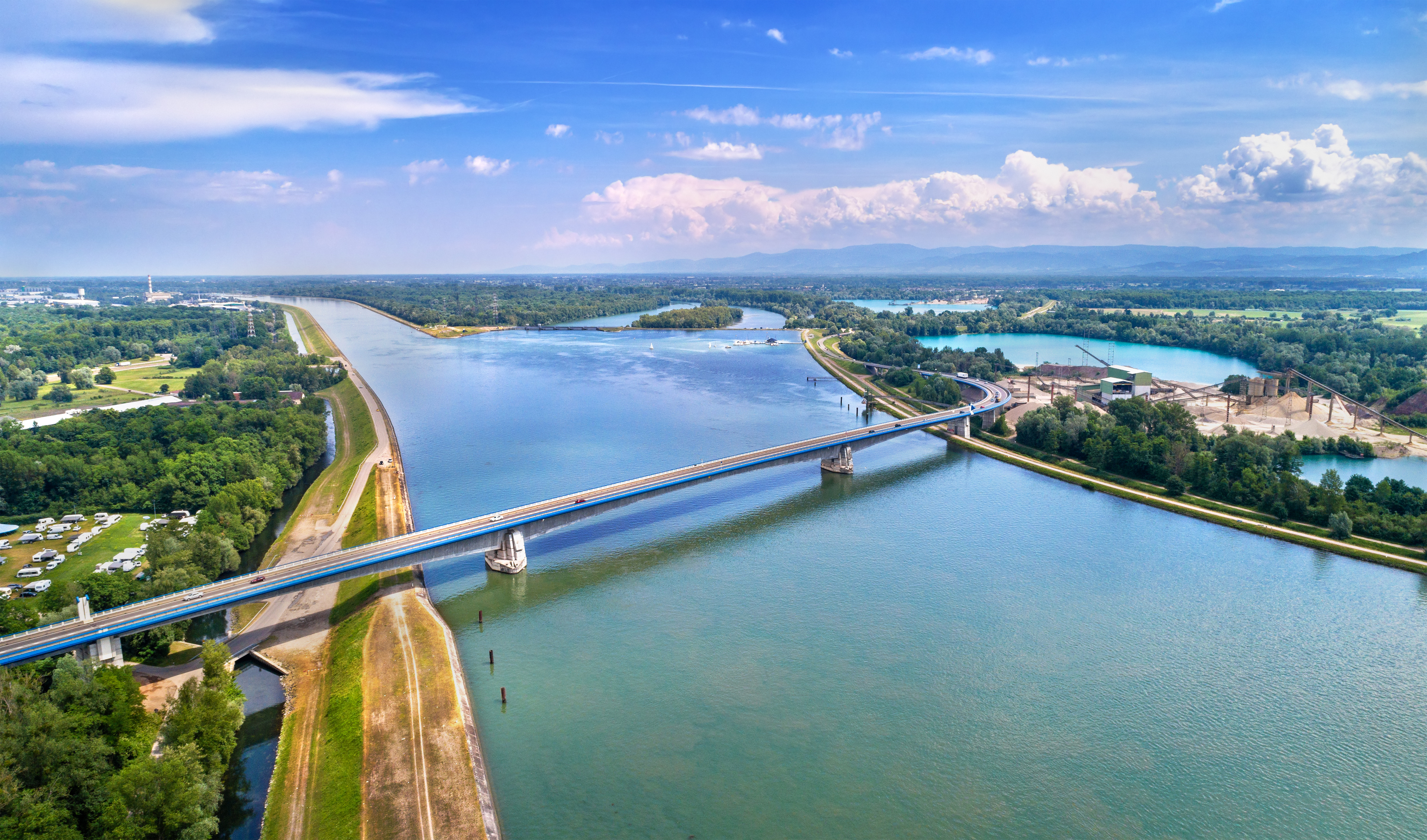
© Pont autoroutier Leonid Andronov-Pierre Pflimlin sur le Rhin, entre la France et l'Allemagne
Lien vers la page officielle du projet SNF/MAPS : https://www.snf.ch/en/0J84YIJ4f5K9LaQl/funding/maps-multilateral-academic-projects
Événements à venir
- Congrès mondial Aida du 24 au 26 juin 2026 à Oslo, Norvège
- Conférence sur la consolidation de la paix environnementale à l'Université d'Ottawa du 16 au 19 juin 2026