
Le partage de l'eau, voie vers la paix : le Geneva Water Hub et le HCR Mauritanie officialisent leur partenariat stratégique
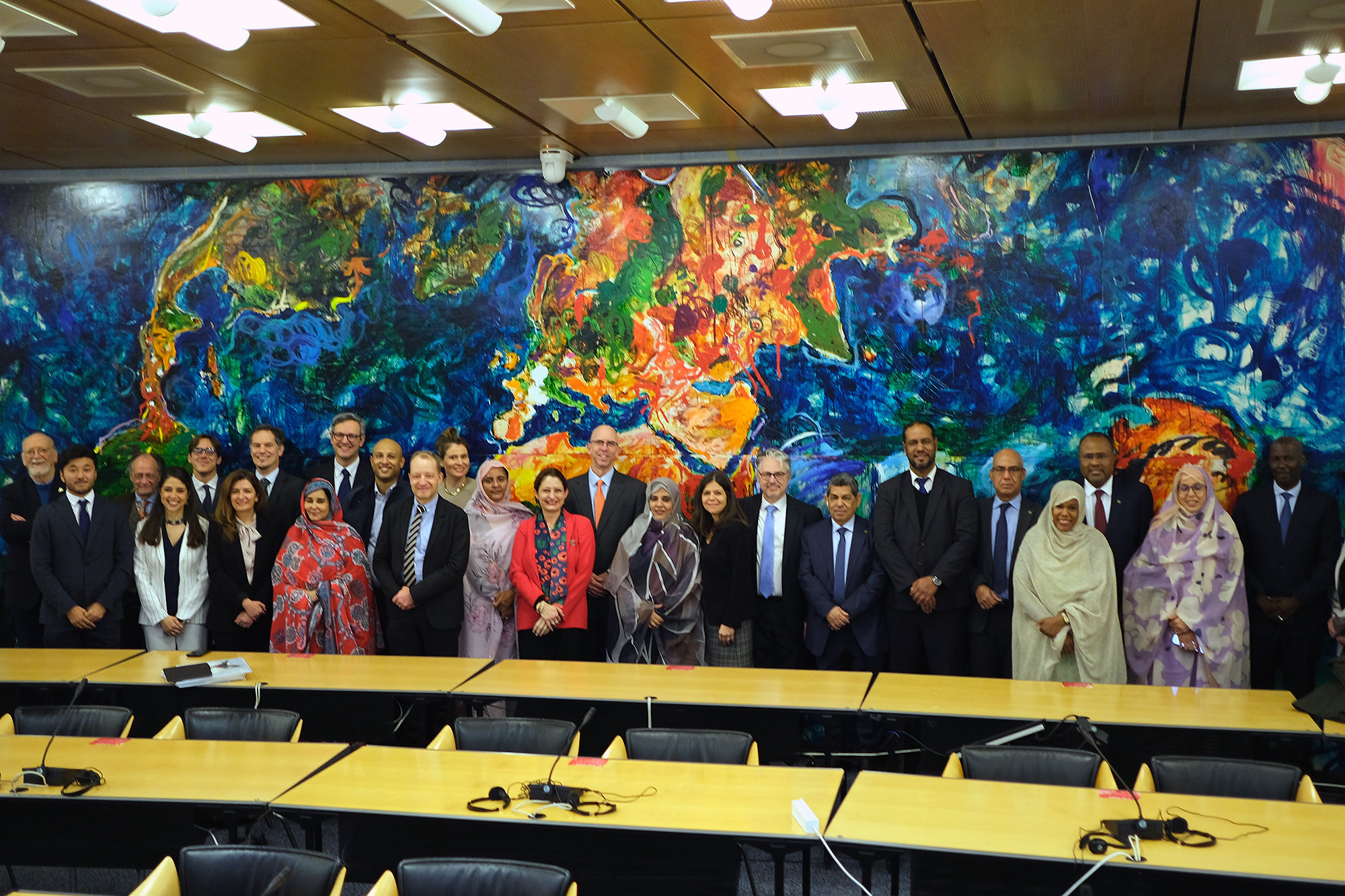
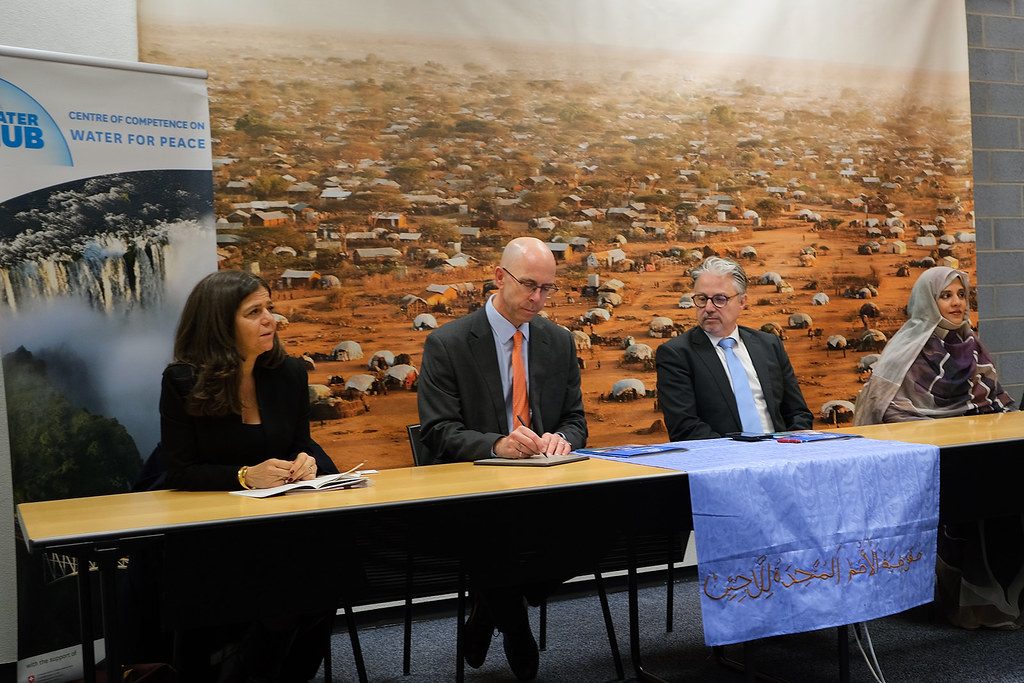
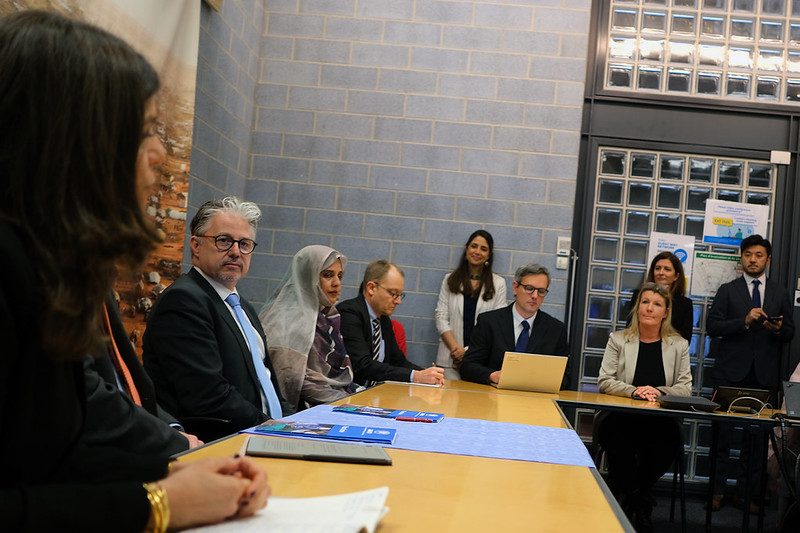
Le 15 décembre 2025 à Genève, le Geneva Water Hub et le le HCR Mauritanie ont signé un protocole de partenariat officialisant leur coopération visant à renforcer la cohésion sociale autour du partage de l'eau dans les contextes d'accueil de réfugiés dans la région de Hodh Chargui en Mauritanie. La signature a eu lieu en marge de l'examen mondial de haut niveau des progrès accomplis dans le cadre du Pacte mondial sur les réfugiés.
Ce partenariat reconnaît que la gouvernance de l'eau est un levier essentiel pour la stabilité, la cohésion sociale et l'autonomie des réfugiés, tout en renforçant la capacité des communautés d'accueil à gérer durablement des ressources naturelles limitées. Il s'aligne sur les deux premiers objectifs du Pacte mondial sur les réfugiés : alléger la pression sur les communautés d'accueil et renforcer l'autonomie des réfugiés.
Située dans le sud-est de la Mauritanie, la région de Hodh Chargui accueille depuis plus d'une décennie des réfugiés et des populations déplacées, dans un contexte de pression croissante sur les ressources en eau. Les puits pastoraux, les forages et les points d'eau saisonniers jouent un rôle central dans les moyens de subsistance et la coexistence, faisant du partage de l'eau un point d'entrée sensible mais puissant pour le dialogue et la paix.
Comme l'a souligné Tayyar Sukru Cansizoglu, représentant du HCR en Mauritanie:
« L'eau peut être source de tensions, mais elle peut aussi devenir source de cohésion sociale. »
Le protocole soutiendra les processus inclusifs menés par les citoyens et impliquant les réfugiés, les communautés d'accueil, les autorités nationales et locales et la société civile, tout en facilitant l'accès des chercheurs sur le terrain et en promouvant le partage de l'eau comme vecteur de paix dans le cadre des programmes humanitaires et de développement internationaux.
Le professeur Mark Zeitoun, directeur général du Geneva Water Hub, a souligné l'importance de l'expertise locale :
« À travers ce protocole, nous réaffirmons notre engagement à promouvoir les connaissances locales africaines en matière de prévention et de gestion des conflits liés à l'eau. »
Ce partenariat est soutenu par la Ville de Genève et par l' Direction du développement et de la coopération (SDC), qui ont toutes deux participé à la cérémonie de signature, reflétant ainsi l'engagement de la Suisse à relier l'action humanitaire, le développement et la paix par une coopération concrète et ancrée localement.