
« L'eau pour la paix » : publication du rapport d'impact 2025 du Geneva Water Hub
Le Geneva Water Hub publie son rapport d'impact annuel 2025 : Promouvoir la paix grâce à l'eau dans un monde divisé
Le Geneva Water Hub a publié son rapport annuel d'impact 2025 , soulignant une année d'action déterminante à l'intersection de l'eau, de la paix, du droit international et de la diplomatie.
Dans un contexte mondial marqué par l’escalade des conflits, les chocs climatiques et la pression croissante sur la coopération multilatérale, le Hub est resté fermement ancré dans les données scientifiques, le droit international et la dignité humaine. Tout au long de l’année 2025, il a renforcé son approche science-politique, traduisant la recherche en actions concrètes sur le terrain et en influence au plus haut niveau diplomatique.
Transformer l'eau partagée en stabilité partagée
Sur quatre régions et trois continents, le Geneva Water Hub s'est employé à transformer les ressources en eau partagées en opportunités de coopération et de prévention des conflits.
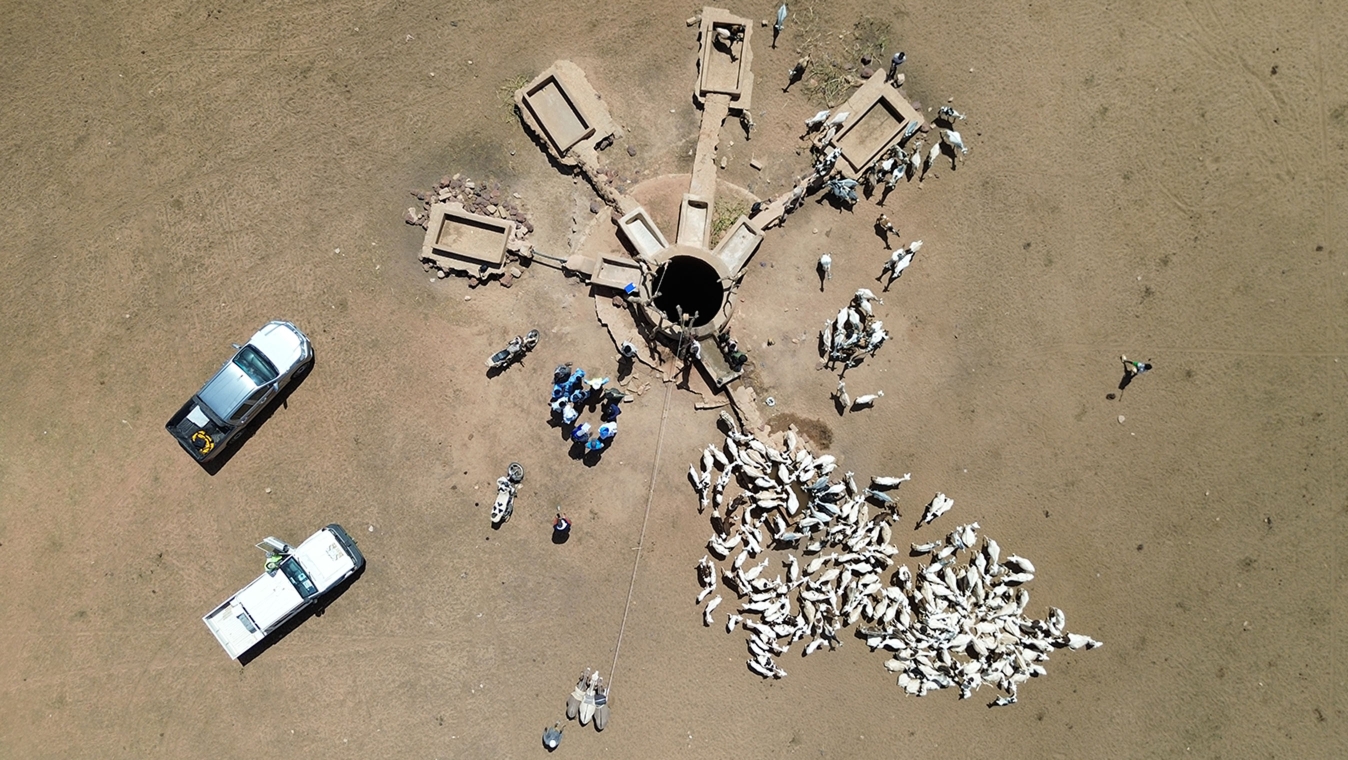
En Mauritanie , des processus de dialogue local menés autour de points d'eau partagés ont renforcé la cohésion sociale dans les zones d'accueil de réfugiés. En Afrique de l'Ouest , le soutien apporté au Pôle Eau de Dakar a contribué à consolider un pôle régional de diplomatie de l'eau et de la paix, grâce à un financement à long terme de l'Union européenne. Les efforts de coopération transfrontalière se sont concentrés sur les marais d'Al-Hawizeh/Al-Adhim, combinant analyses juridiques, scientifiques et socio-économiques afin d'identifier des pistes pour la résilience et la coopération.
Parallèlement, de nouvelles initiatives de recherche, dont un projet du Fonds national suisse de la recherche scientifique doté de 750 000 CHF sur la gouvernance transfrontalière de l’eau, ont renforcé le lien entre les connaissances scientifiques et la pratique diplomatique.
Protéger l'eau des conflits armés
En 2025, le Geneva Water Hub a poursuivi les efforts mondiaux visant à garantir que l’eau ne puisse jamais être utilisée comme arme de guerre .
En tant que secrétariat de l'Alliance mondiale pour la protection de l'eau contre les conflits armés (GASWAC), le GWH a contribué aux débats au sein du Conseil de sécurité des Nations unies et au rapport annuel du Secrétaire général des Nations unies sur la protection des civils. L'Alliance a élargi son cercle de membres et a contribué à faire évoluer le discours international vers la reconnaissance des attaques contre les infrastructures hydrauliques comme des menaces directes pour la sécurité des civils.
Grâce à des conseils juridiques, des dialogues militaires et des initiatives de renforcement des capacités, le GWH a également amélioré la compréhension opérationnelle de la manière dont le droit international humanitaire protège les systèmes d'eau pendant les conflits armés.
Façonner les politiques et la gouvernance mondiales
Le GWH a continué d'intégrer l'initiative « Eau pour la paix » dans les cadres politiques mondiaux.
Grâce au Groupe des Amis de l'eau et de la paix à Genève, le dialogue diplomatique s'est intensifié en amont de la Conférence des Nations unies sur l'eau de 2026. Une carte interactive innovante consacrée à la procédure consultative de la Cour internationale de Justice sur le changement climatique et les droits de l'homme a permis de transformer plus de 1 500 pages de mémoires juridiques en un outil pratique à l'usage des diplomates.
Les recherches menées par le Hub ont éclairé d'importants processus internationaux, notamment les préparatifs de la Conférence des Nations Unies sur l'eau de 2026, la stratégie ONU-Eau 2025-2028 et les initiatives de l'UE en matière de diplomatie bleue et de résilience face à l'eau.
Former la prochaine génération de diplomates de l'eau
L’éducation et le renforcement des capacités sont restés au cœur de la mission du GWH. Rien qu’en 2025, ses programmes ont touché plus de 200 participants issus de 27 pays , dotant des praticiens, des diplomates, des conseillers militaires et de jeunes professionnels des outils nécessaires pour négocier, protéger et gérer les ressources en eau partagées.
Des formations pour cadres à Genève aux cours en ligne sur la protection juridique de l'eau en cas de conflit armé, le GWH a continué à développer une communauté mondiale de professionnels de l'eau engagés en faveur de la paix.
Mobiliser les ressources pour un impact à long terme
Au cours de l’exercice 2024/25, le Geneva Water Hub a géré 3,1 millions de francs suisses à travers ses programmes et a mobilisé d’importants fonds supplémentaires pour des projets en Afrique de l’Ouest, à Gaza, au Soudan, en Afghanistan et le long du Mékong.
« En utilisant la politique pour relever les défis liés à l’eau, et l’eau pour relever les défis socio-politiques, le Pôle de l’eau de Genève continuera d’ouvrir des portes et de tracer des voies vers la paix », écrit le directeur général, le professeur Mark Zeitoun, dans l’avant-propos du rapport.
Le rapport annuel d’impact 2025 démontre que même en période de fragmentation, l’eau peut servir non pas de source de division, mais de catalyseur de coopération, de protection et de paix durable.
Avec le soutien de la Direction du développement et de la coopération (DDC) suisse , de l’ Université de Genève et de l’ Institut de hautes études internationales et du développement de Genève .
Vous pouvez consulter ci-dessous le rapport d'impact annuel 2025 dans son intégralité.