
Les usines de dessalement dans la ligne de mire du conflit du Golfe : implications juridiques et humanitaires
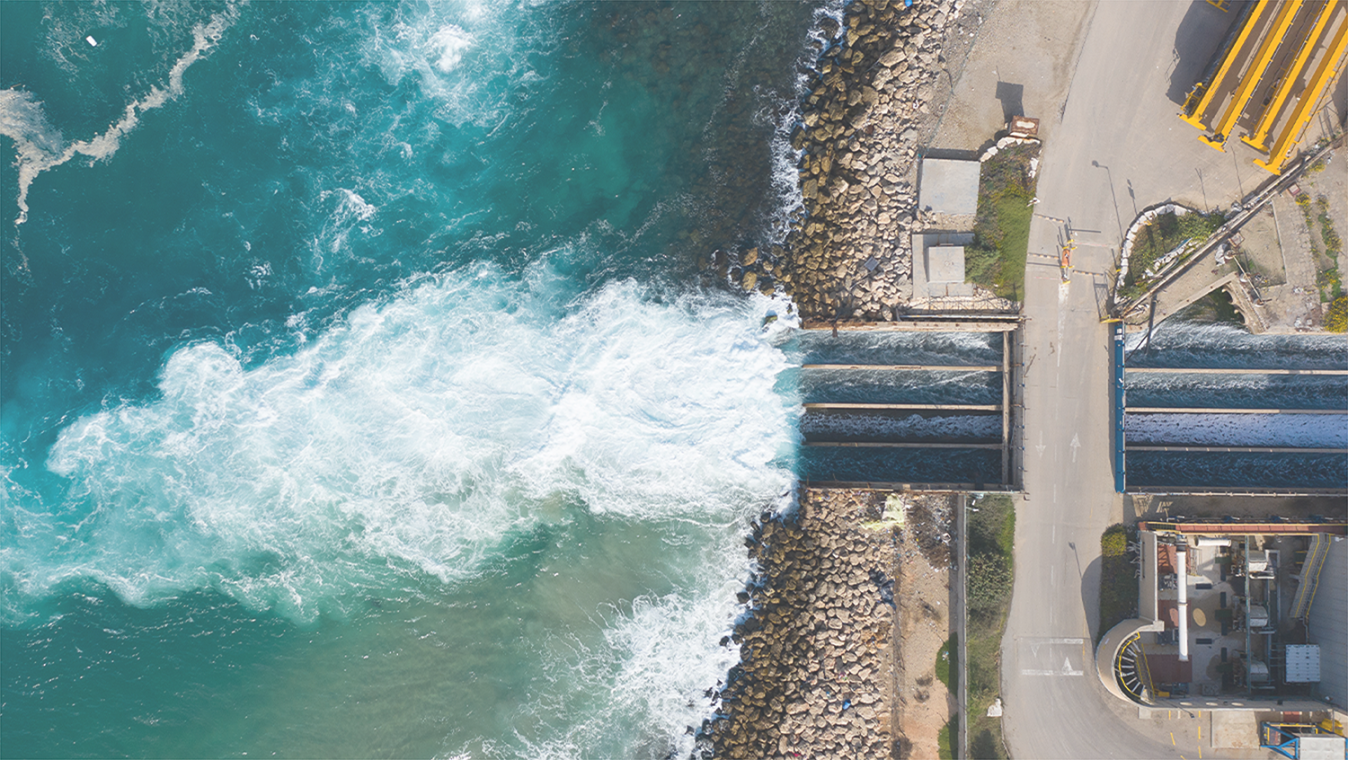
Début mars 2026, des frappes signalées ont endommagé des usines de dessalement en Iran et à Bahreïn, perturbant l'approvisionnement en eau des populations civiles et suscitant l'inquiétude dans toute la région. Ces incidents mettent en lumière une tendance croissante et dangereuse : l'implication grandissante des systèmes d'approvisionnement en eau essentiels dans les conflits modernes.
Les infrastructures hydrauliques, au cœur de la survie des populations civiles
Dans la région du Golfe, le dessalement n'est pas une ressource complémentaire, mais bien la pierre angulaire de la sécurité hydrique. Environ 100 millions de personnes dépendent de l'eau dessalée, certains pays s'approvisionnant presque exclusivement en eau potable grâce à ces systèmes.
La mise hors service d'une seule usine de dessalement peut donc avoir des répercussions en chaîne : les hôpitaux sont confrontés à des pénuries, les systèmes alimentaires sont mis à rude épreuve et des populations urbaines entières se retrouvent en danger. Ces répercussions vont bien au-delà des dégâts matériels immédiats, amplifiant les crises humanitaires dans des contextes déjà fragiles.
Que dit le droit international ?
En vertu du droit international humanitaire (DIH), les usines de dessalement sont considérées comme des biens civils et, plus précisément, comme des biens indispensables à la survie de la population civile . À ce titre, elles bénéficient d'une protection renforcée.
Cela signifie:
- Ils ne doivent pas être directement ciblés
- Les attaques causant des dommages civils excessifs par rapport à l'avantage militaire sont interdites.
- « Toutes les précautions possibles doivent être prises pour éviter, et en tout état de cause pour réduire au minimum, les dommages causés aux civils et aux biens de caractère civil. »
Même lorsque des objectifs militaires sont présents, les principes de distinction, de proportionnalité et de précaution restent applicables.
Il est important de noter que les violations commises par une partie ne justifient pas les attaques réciproques. Le cadre juridique vise précisément à prévenir l'escalade et la banalisation du ciblage des infrastructures civiles essentielles.
Un impératif stratégique et humanitaire
Au-delà des obligations légales, le ciblage ou la destruction accidentelle des infrastructures hydrauliques comporte des risques stratégiques importants. Une fois normalisées, ces pratiques exposent toutes les parties à des vulnérabilités similaires, créant un cycle de représailles qui affecte de manière disproportionnée les populations civiles.
Les événements observés en mars 2026 soulignent une réalité plus large :
Les systèmes d'approvisionnement en eau sont de plus en plus utilisés comme armes dans les conflits modernes , avec de graves conséquences humanitaires et environnementales.
La nécessité de la retenue et de la protection
La protection des infrastructures hydrauliques n'est pas seulement une question de conformité légale, elle est essentielle pour préserver la dignité humaine, prévenir toute nouvelle instabilité et maintenir les voies vers la paix.
En tant que Centre de compétences sur l’eau pour la paix, le Geneva Water Hub réaffirme l’importance de :
- Respecter le droit international humanitaire
- Reconnaître les infrastructures hydrauliques comme des systèmes civils essentiels
- Prévenir la normalisation des attaques contre l'eau
Préserver l'eau, c'est préserver la vie.