
22e réunion du Groupe des amis de l'eau et de la paix - La faillite de l'eau
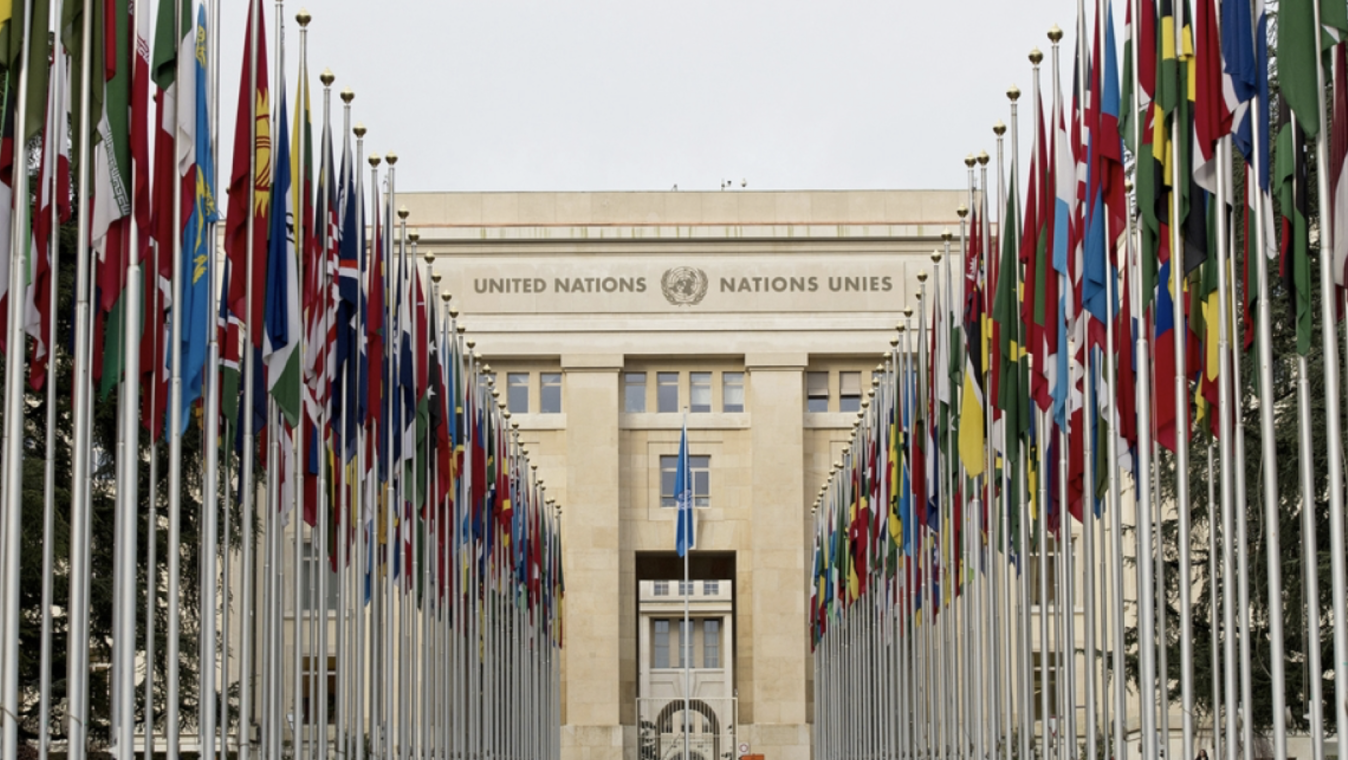
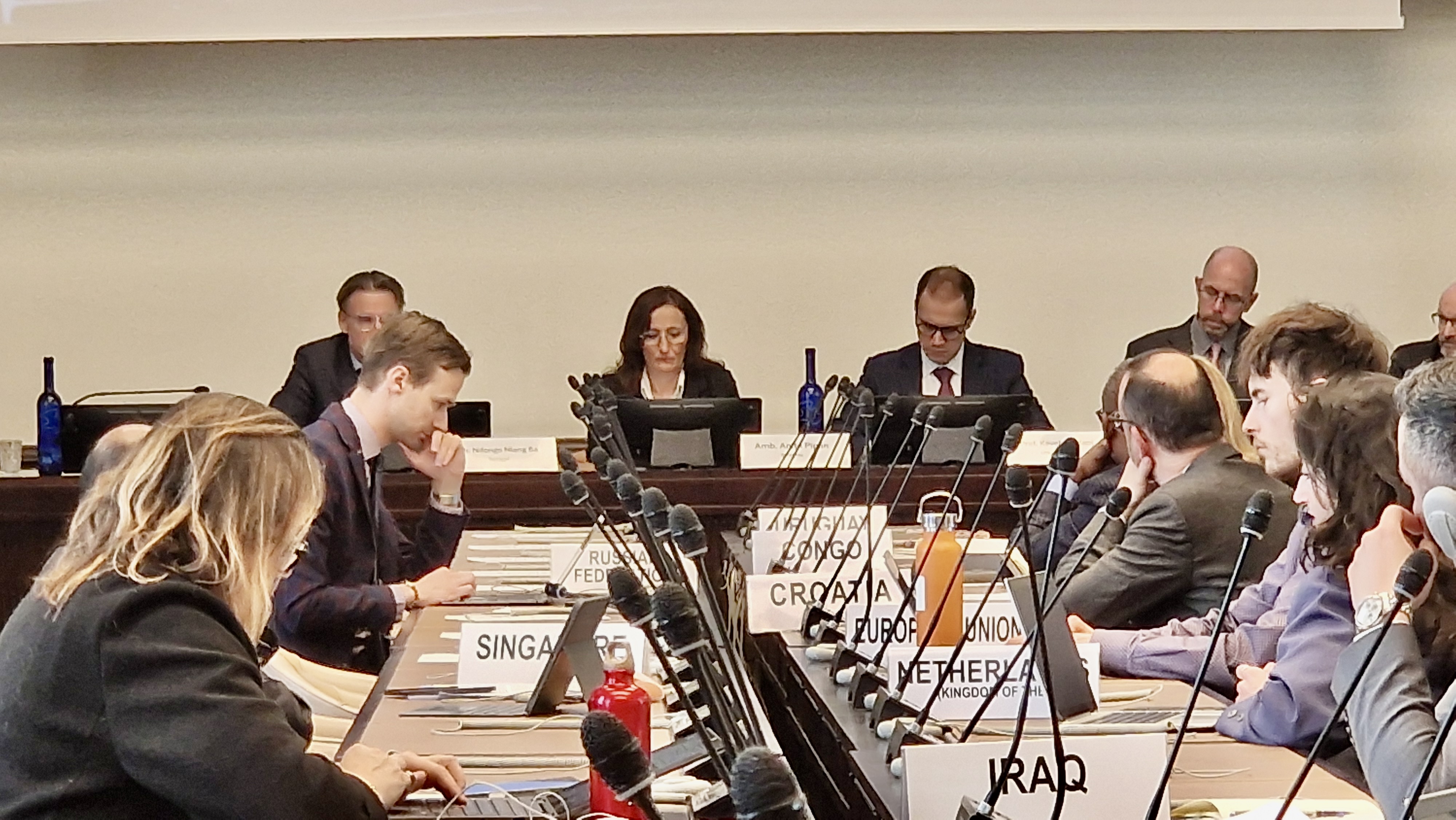
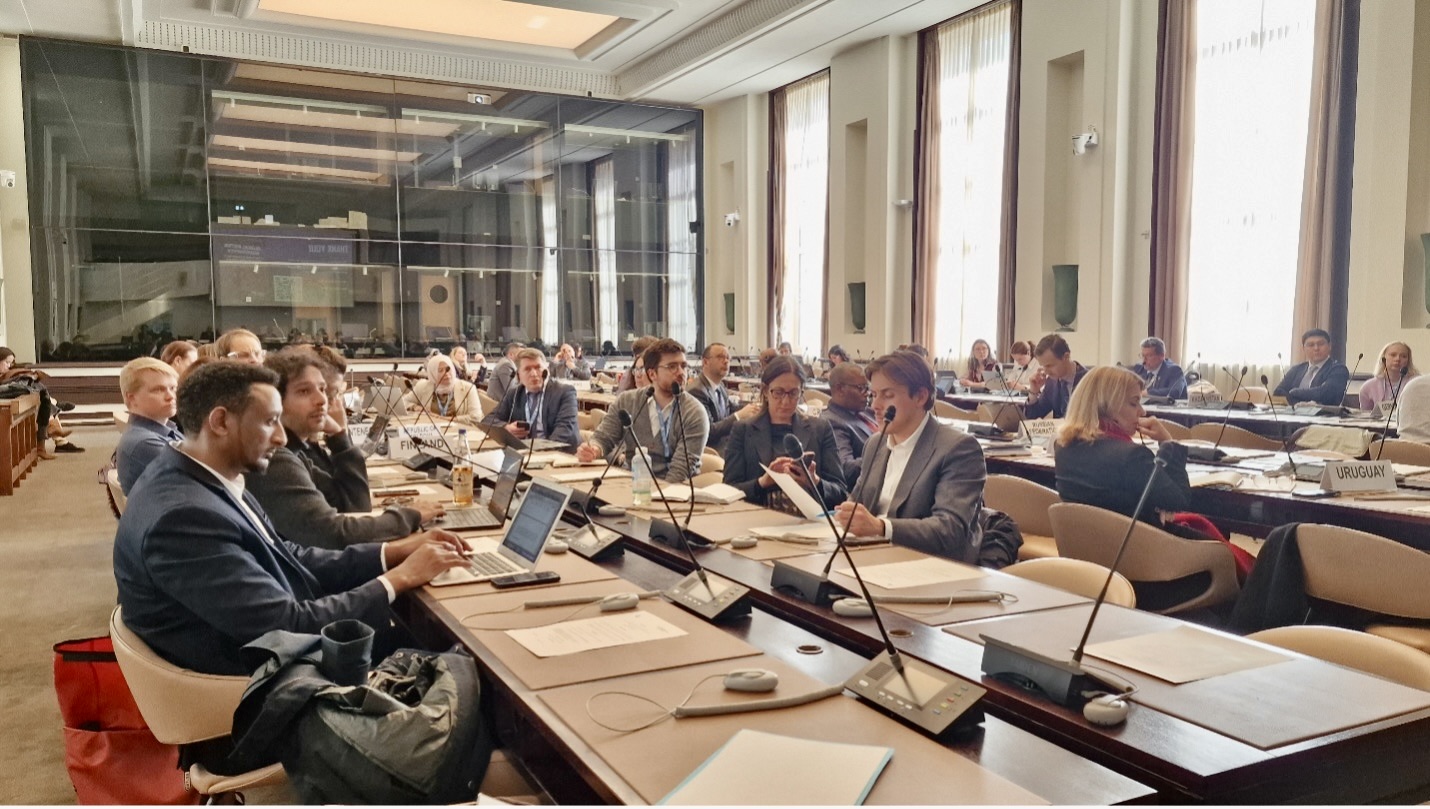
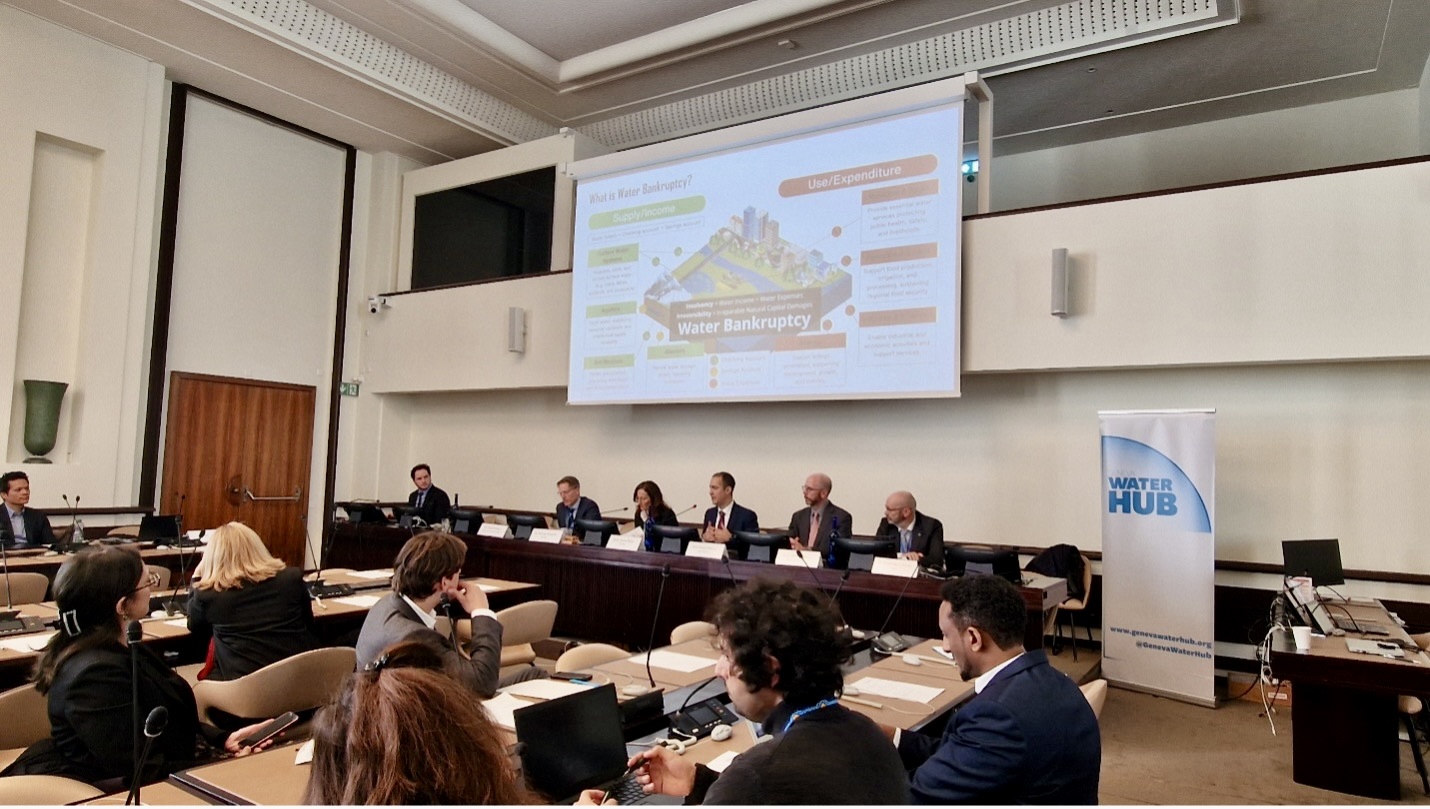
Le 27 mars 2026, la 22e réunion du Groupe des Amis de l'eau et de la paix a rassemblé une soixantaine de participants au Palais des Nations à Genève afin d'examiner une question urgente : que se passe-t-il lorsque les systèmes hydriques ne peuvent plus se régénérer ?
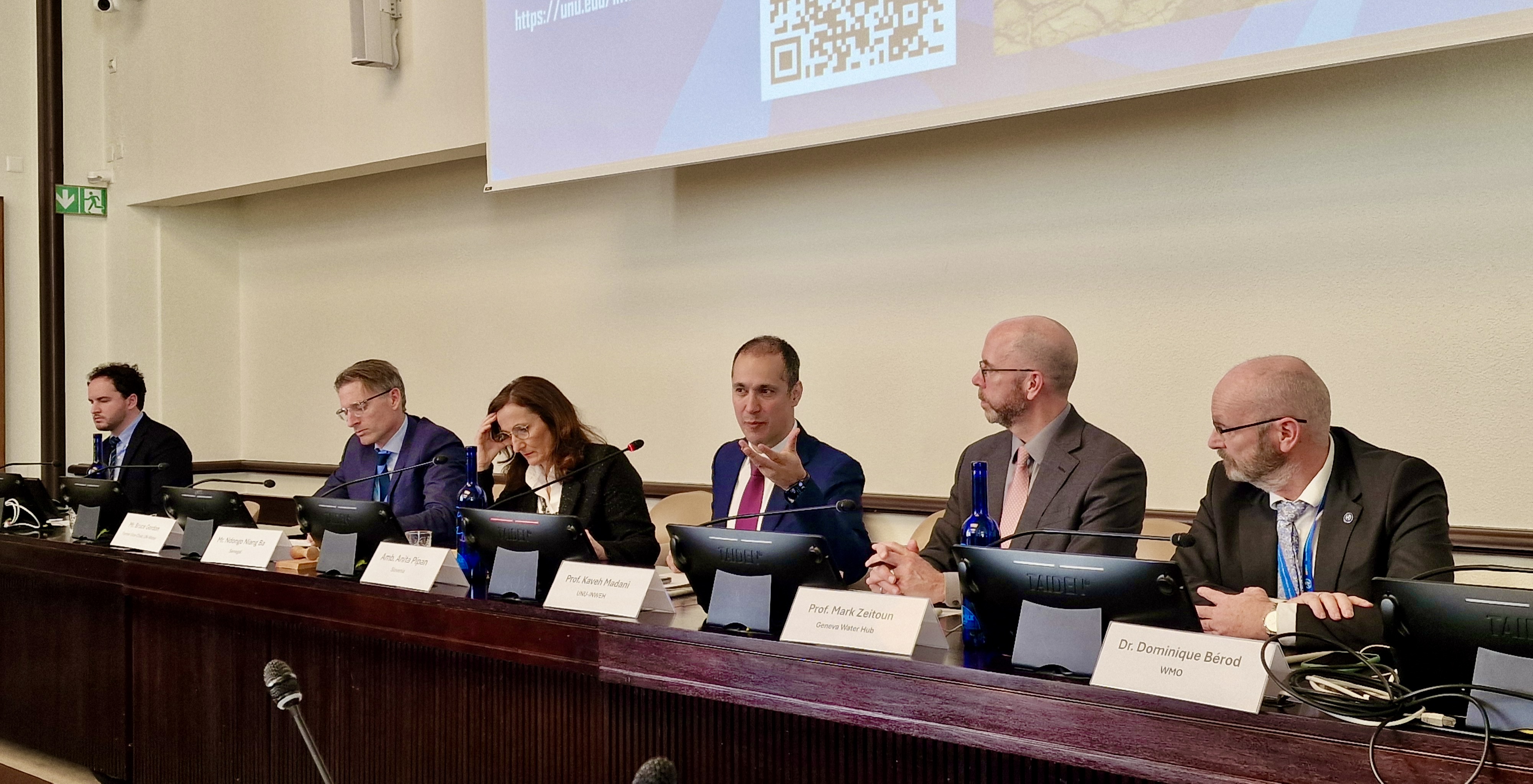
Présidée par S.E. Mme Anita Pipan, représentante permanente de la Slovénie auprès des Nations Unies à Genève, et organisée par le Geneva Water Hub, la réunion a porté sur le concept émergent de « faillite hydrique » et ses implications pour la stabilité et la coopération mondiales.
Repenser la pénurie d'eau : du stress à la faillite
Le discours d'ouverture a été prononcé par Kaveh Madani, directeur de l'Institut pour l'eau, l'environnement et la santé de l'Université des Nations Unies et lauréat du Prix de l'eau de Stockholm 2026. Il a présenté le concept de « faillite mondiale de l'eau », affirmant que des termes traditionnels tels que « stress hydrique » ne permettent plus de rendre compte de manière adéquate de l'ampleur des défis actuels.
La « faillite de l'eau », telle qu'elle est définie dans cette analyse, comporte deux aspects :
- Insolvabilité, lorsque la demande dépasse l'offre disponible
- Irréversibilité, lorsque la dégradation de l'environnement empêche la régénération
Dans ce contexte, de nombreux réseaux d'approvisionnement en eau fonctionnent déjà au-delà des limites de durabilité. Pour faire face à cette réalité, il ne suffit pas d'apporter des ajustements techniques ; il faut opérer un changement fondamental dans la gouvernance et les mentalités. L'eau doit être considérée non seulement comme un facteur de risque, mais aussi comme un levier stratégique de coopération, capable d'harmoniser les priorités nationales et de dépasser la logique du jeu à somme nulle.
L'eau, les conflits et la gouvernance : perspectives clés
La table ronde a réuni des experts de renom afin d'examiner les implications plus larges de la faillite dans le secteur de l'eau.
Mark Zeitoun, directeur général du Geneva Water Hub, a insisté sur l'urgence de protéger les réseaux d'approvisionnement en eau dans les zones de conflit. Il a mis en avant les conséquences directes et prévisibles des attaques contre les infrastructures hydrauliques pour les populations civiles et la santé publique, soulignant la nécessité de renforcer les cadres juridiques et politiques existants.
Bruce Gordon, ancien vice-président d’UN-Water, a appelé à un discours public plus fort et plus cohérent sur la question de l’eau. Il a souligné que les défis liés à l’eau touchent de manière disproportionnée les populations les plus vulnérables et a plaidé en faveur d’approches en amont fondées sur les droits de l’homme. Il a également insisté sur l’importance de traduire les engagements généraux en actions concrètes et mesurables de la part des États.
Dominique Bérod, responsable de la surveillance hydrologique à l'Organisation météorologique mondiale, a souligné le rôle central de données fiables. Il a fait remarquer que des systèmes de surveillance efficaces sont essentiels pour une prise de décision éclairée, la coopération et la gouvernance à long terme.
Un défi crucial pour la paix et la stabilité
Les discussions ont abouti à une conclusion claire : la dégradation des ressources en eau n'est plus un risque lointain, mais un défi de gouvernance immédiat ayant des répercussions directes sur la paix et la sécurité.
Assurer la protection, la gestion équitable et l'utilisation durable des ressources en eau constitue donc non seulement une priorité environnementale, mais aussi une condition préalable à la stabilité, à la résilience et au développement.
Comme cela a été souligné tout au long de la réunion, il ne peut y avoir de paix sans eau, ni de gestion durable de l'eau sans coopération.